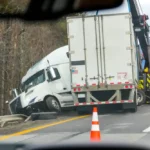

Las Vegas FedEx Truck Accident Lawyers Who Handle Complex Commercial Crash Claims
FedEx trucks move through Las Vegas every day to meet constant demand for overnight and ground shipping. These vehicles include box trucks, freightliners, and delivery vans operating on tight schedules across dense traffic routes. When a FedEx vehicle is involved in a crash, the impact is often severe due to the truck’s size, weight, and speed. Victims in smaller vehicles may suffer catastrophic injuries, and some collisions result in long-term medical care, loss of income, or fatal outcomes. These cases involve complex liability, multiple parties, and strict corporate policies that make claims difficult to navigate without strong supporting evidence.
Las Vegas presents unique risks for FedEx truck drivers and surrounding motorists. High-traffic corridors like Desert Inn Road, Charleston Boulevard, and Interstate 15 see daily congestion mixed with hotel deliveries, tourist drivers, and rideshare activity. FedEx trucks often operate in tight alleyways behind resorts, across large intersections near the Strip, and through busy residential neighborhoods. When collisions occur, they are often caused by rushed delivery schedules, wide turns, blind spots, or distracted driving while navigating routes. Local intersections and one-way service streets can quickly become sites of major crashes when commercial drivers fail to adjust to Las Vegas road conditions.
Large trucks like FedEx vehicles were involved in over 5,000 fatal crashes across the United States in 2021, with injury crashes reaching more than 119,000 that same year. Commercial carriers are governed by federal safety standards, and when those standards are violated, serious consequences follow. In Las Vegas, commercial truck accident investigations may involve the Nevada Highway Patrol, FMCSA safety auditors, and private crash experts. Victims injured in FedEx truck crashes deserve a full understanding of what caused the crash, who is legally responsible, and what recovery options exist under Nevada law.
What To Do After Being Hit By a FedEx Truck
Crashes involving FedEx trucks often result in serious damage, injuries, and overwhelming confusion at the scene. These trucks are governed by commercial insurance, strict delivery timelines, and corporate liability rules. Acting quickly after a crash ensures that your side of the story is preserved and that critical information is not lost. Victims should take clear, immediate steps to protect their health and their legal position. The following actions can help document the crash, secure evidence, and prepare for any claims involving a national carrier like FedEx.
Collect Company Insurance Paperwork
After a collision with a FedEx vehicle, request the driver’s company insurance information. This includes the insurance carrier name, policy number, and contact information for claim submission. You should also document the truck’s license plate, unit number, and U.S. Department of Transportation (USDOT) number, which is usually displayed on the side of the truck cab. If the vehicle is operated by a subcontractor or leased carrier, write down that company’s name and ask for written proof of who owns and insures the truck. FedEx Ground and FedEx Express may use different contractors, so verifying the correct company is essential. Take photos of the vehicle from multiple angles, focusing on any business logos or identification numbers. These photos may later confirm who operated the truck and who holds legal responsibility for the crash.
Call Police and File Report At Crash Scene
Call 911 immediately following the crash and wait for law enforcement to arrive. In Las Vegas, the responding officer may be from the Las Vegas Metropolitan Police Department, Nevada Highway Patrol, or a regional substation depending on your location. Request that a full accident report be created, and ask the officer to include the commercial status of the FedEx truck in the report narrative. Officers will typically take statements from both drivers and any passengers or witnesses. Be clear when describing how the accident occurred, especially if the FedEx driver ran a red light, failed to yield, or made a wide or sudden turn. Request the incident number, badge number of the officer, and how to retrieve the crash report once available. These official records help support your version of events and serve as trusted documentation in insurance reviews and potential legal claims.
Save Dashcam and Digital Evidence in Secure Folders
If your vehicle was equipped with a dashcam, back up the footage immediately and store it in a secure location. Footage should cover several minutes before, during, and after the impact. Preserve original files and avoid altering or trimming clips unless guided by a digital evidence specialist. Dashcam video can provide clear proof of speed, lane movement, signal violations, and driver reaction time. In FedEx truck crashes, it is also useful to photograph the truck’s placement, damage patterns, tire marks, and road layout. If FedEx’s truck had mounted surveillance equipment or GPS telematics, this may be subpoenaed later. Additionally, look for any security cameras from nearby businesses or city infrastructure that may have recorded the crash. Save all digital files with clear labels and time stamps, and maintain multiple copies across cloud and physical storage platforms.
Immediately Contact Attorneys For Case Consultations
FedEx and other major delivery carriers have legal and insurance teams who begin reviewing accidents as soon as they occur. It is common for these companies to reach out to victims quickly with paperwork, settlement offers, or information requests. Do not sign anything or provide recorded statements without legal guidance. An attorney familiar with commercial trucking liability and Nevada traffic law can review the facts of your case, communicate directly with the company’s insurer, and help prevent low settlement offers or evidence suppression. In serious injury cases, early legal consultation ensures that all video, vehicle logs, and employment records are preserved before they are lost or deleted. A consultation also gives you clarity on fault, insurance limits, and how Nevada law applies to your situation. Early legal support helps protect your rights, especially when large commercial carriers are involved.
How FedEx Truck Crashes Commonly Happen on Las Vegas Streets
FedEx truck accidents in Las Vegas often follow specific patterns related to route pressure, vehicle size, and local traffic conditions. These crashes frequently happen in areas with frequent stops, narrow delivery zones, or congested multi-lane roads. Understanding how and where FedEx crashes occur helps identify the cause and strengthens your ability to prove fault. Most FedEx-related accidents involve visibility problems, improper lane usage, or delivery schedules that result in rushed decision-making. In a busy city like Las Vegas, with both local and out-of-state drivers sharing the road, these risk factors multiply quickly.
Left Turns and Wide Delivery Vehicle Maneuvers
FedEx trucks make frequent left turns across multiple lanes to access businesses or residences on busy roads. These large delivery vehicles have extended turn radiuses that often require crossing into adjacent lanes. In neighborhoods near Paradise, Summerlin, and Spring Valley, left-hand turns at uncontrolled intersections or business driveways frequently lead to side-impact crashes. When trucks swing wide without clear signaling or fail to yield to oncoming traffic, they create hazards for smaller vehicles and motorcycles traveling in the opposite direction.
Blind Spots and Left-Turn Lane Intrusions
Many FedEx trucks have large blind zones that prevent drivers from seeing compact cars in neighboring lanes. When executing wide turns, these trucks may move across lane dividers or drift into turn lanes that are already occupied. Drivers in smaller vehicles often have no warning before impact. These visibility limitations increase the likelihood of crashes at intersections without dedicated turn arrows or advanced signaling systems.
Backing and Parking-Related Collisions in Tight Urban Corridors
Las Vegas has numerous commercial areas with loading zones behind shopping centers, casinos, and apartment complexes. FedEx drivers must often back into narrow alleyways or parallel park on crowded city streets. These maneuvers increase the risk of hitting parked vehicles, pedestrians, or cyclists. In areas like Downtown Las Vegas and The Strip, delivery drivers often operate under tight schedules with limited visibility and minimal curb space. Accidents involving low-speed backing are common but can still result in serious injuries, especially when pedestrians or children are involved.
Rear-End Crashes on Major Roads and Highway Ramps
FedEx trucks operate on main roads like Tropicana Avenue, I-15, and Blue Diamond Road, where sudden traffic slowdowns are common. Rear-end collisions involving FedEx trucks often occur when a driver is distracted, following too closely, or unaware of stopped traffic ahead. Because of their size and weight, FedEx trucks require more distance to stop than standard vehicles. When a delivery driver misjudges speed or braking distance, the result can be a high-impact collision with devastating injuries for vehicle occupants in front.
Heavy Cargo Increases Braking Distance
FedEx trucks frequently carry thousands of pounds of packages, electronics, and freight. This added cargo weight increases the stopping time and force required to slow down the vehicle. If the truck is overloaded or if the weight is poorly distributed, stopping becomes even more difficult. On curved ramps or downhill streets, this additional momentum can push the truck into the back of another vehicle. These rear-end crashes often happen in heavy traffic near freeway exits and busy warehouse routes.
Compensation After a FedEx Truck Accident
Victims of FedEx truck crashes in Las Vegas are often entitled to recover damages for both economic and non-economic losses. These accidents frequently result in severe physical injuries, long-term medical treatment, loss of income, and emotional trauma. Commercial carriers like FedEx are governed by strict insurance regulations and must maintain high-value coverage due to the potential damage their vehicles can cause. Understanding the categories of compensation available and how these claims are calculated is crucial for anyone injured by a delivery truck in Nevada.
Medical Costs and Emergency Treatment After the Crash
Injuries from a FedEx truck accident often require immediate medical intervention and ongoing treatment. Victims may face ambulance transport, emergency surgery, hospitalization, and rehabilitation services. Nevada law allows full compensation for past, present, and future medical care resulting from the crash. Many victims are treated at trauma centers like UMC or Sunrise Hospital and later need follow-up with specialists and pain management doctors. Extended care may involve multiple surgeries, therapy sessions, or chronic pain treatment that lasts months or longer. All treatment must be supported by detailed medical records that clearly link the injury to the crash, as adjusters often dispute costs without full documentation.
Home Modifications for Long-Term Injuries
Serious injuries from FedEx truck crashes may leave victims with permanent disabilities that require changes to their living environment. Nevada law allows injured individuals to recover the full cost of medically necessary home modifications when those changes are a direct result of crash-related injuries. This may include installing wheelchair ramps, widening doorways, adding stair lifts, lowering countertops, or reconfiguring bathrooms for accessibility. Insurance companies and liable parties are responsible for covering these expenses if supported by medical recommendations. Victims should request written evaluations from their treating physicians or occupational therapists and maintain receipts for labor and materials. These modifications are often essential for regaining independence and maintaining quality of life after a disabling injury, and they must be accounted for in any comprehensive compensation claim.
Lost Wages and Future Earnings From Work Disruption
A collision with a FedEx truck can cause job interruptions, loss of income, and long-term disability. Victims may miss weeks or months of work or be permanently unable to return to their prior occupation. Nevada injury law permits recovery of income lost during the recovery period and projected future earnings based on career trajectory. Wage documentation such as pay stubs, tax returns, and employer letters are often required to support these claims. For self-employed individuals or gig workers, additional financial records help demonstrate the actual financial loss tied to the crash.
Calculating Future Earning Capacity After Serious Injury
In cases of lasting impairment or total disability, compensation may include long-term lost earning potential. Experts such as vocational analysts and economists are often called in to calculate how the injury affects future employment options. Factors like age, education, job training, and physical limitations are considered. These projections help ensure that crash victims receive a financial recovery that addresses lifelong income loss.
Pain, Suffering, and Mental Health Damages
Beyond the financial toll, FedEx truck accidents leave victims with significant emotional distress. Chronic pain, anxiety, fear of driving, and loss of enjoyment of life are all considered non-economic damages in Nevada. Compensation in this category aims to reflect the personal burden carried by victims. Family relationships, daily function, and personal independence often suffer after a serious crash. Though harder to measure than medical bills, these damages play a major role in the total value of the claim.
Liability and Insurance Issues in FedEx Claims
Determining how much compensation is available also depends on who is liable and what insurance policies apply. In crashes involving FedEx, multiple parties may be responsible. These can include the driver, a contractor, a vehicle leasing company, or FedEx itself. Proving liability may involve reviewing driving logs, GPS tracking, delivery records, and maintenance schedules. The earlier this investigation begins, the more likely it is that evidence will be preserved.
FedEx Company Insurance Policy
FedEx is required to carry high-limit commercial insurance to cover damage from accidents involving its trucks. Policies may range from $1 million to several million depending on the contract type and whether the truck is company-owned or leased through an independent contractor. These policies typically cover bodily injury, property damage, and sometimes punitive damages if gross negligence is found. Accessing these policies may require filing a formal claim or pursuing litigation if the company’s adjusters delay or deny fault. Commercial claims against national carriers follow different procedures than standard personal auto policies, and understanding these terms is essential to pursuing full compensation.
If You Have Been Injured in a FedEx Truck Crash Get Help Now
Crashes involving FedEx trucks require immediate legal action and a clear strategy. Victims often face medical bills, missed work, and pushback from corporate insurers. CVBN Law helps you move forward with confidence.
Here’s what you can expect from CVBN Law:
- Rapid collection of FedEx delivery records, GPS logs, and driver history
- Full preservation of dashcam footage, inspection reports, and digital evidence
- Strategic claim development backed by commercial vehicle law knowledge
- Ongoing updates and responsive communication from our legal team
- No legal fees unless we win compensation for you
Call CVBN Law today to schedule your free, no-obligation case evaluation.