
Big Rig Accident Lawyers in Las Vegas Representing Victims of Severe Truck Collisions
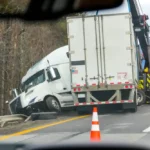
Big rigs move millions of pounds of freight through Las Vegas each year. These oversized trucks are essential to commerce, but when one is involved in a crash, the damage can be catastrophic. Because of their size, weight, and stopping distance, big rigs pose a unique danger to cars, motorcycles, and pedestrians on Nevada roads. When a collision occurs, victims are often left with life-changing injuries and questions no one is answering.
Not all truck crashes are handled the same. Big rig accidents involve complex rules that apply only to commercial vehicles. The companies behind these trucks are often insured by high-limit policies and protected by aggressive legal teams. These representatives begin working on the company’s defense immediately, sometimes within hours of the crash. If you’ve been injured, knowing your legal options and preserving evidence early can be the most important step you take.
Each year, thousands of crashes involving large trucks result in fatalities and severe injuries across the United States. A significant number of these involve trucks over 10,000 pounds traveling on highways in major cities. Las Vegas sees many of these collisions on routes like I-15, US-95, and the 215 Beltway, where heavy traffic meets high-speed logistics. Whether the crash happened on a freeway, at an intersection, or during a delivery route through a neighborhood, victims deserve clear answers and a path to compensation.
What Should I Do After a Big Rig Accident in Las Vegas?
A crash with a big rig can happen in an instant. One minute you are driving to work or heading home, and the next, your car is crushed, your body is hurting, and first responders are at the scene. This kind of accident is unlike any other. The size and weight of the truck make injuries more severe and property damage far worse. In the hours following the crash, you may not know what steps to take or what will matter most. Here are the actions that help protect your health and strengthen your case moving forward.
Stay at the Scene and Call the Police Immediately
After any accident with a commercial truck, stay where you are and wait for law enforcement. Do not try to move your vehicle unless it is blocking traffic or you are instructed to by first responders. When officers arrive, they will take statements, record vehicle positions, and create an official report. That report becomes crucial evidence later.
For example, on I-15 near Tropicana Avenue, a big rig once jackknifed during a sudden lane change and hit three cars. The police report clearly noted the truck’s failed maneuver and listed witness names. Without that report, proving liability would have been difficult. If you’re unable to give a full statement at the scene due to injury, ask the hospital or a loved one to help you follow up with the police department later.
Take Photos and Record Details
Use your phone to document everything. Focus on the big rig’s company logo, tire marks on the road, the position of vehicles, and any visible injuries. Try to capture photos before any cars are moved. If you are too hurt to take photos, ask a passenger or nearby witness to help.
If the accident happened near a hotel, gas station, or shopping center, check if there are exterior cameras facing the street. Walk into the business and ask to speak with a manager about how long footage is stored. Offer to provide your contact details and explain why you need the footage quickly. Many systems delete video within days, so time is critical.
Identify the Truck Driver and the Trucking Company
Make sure you collect as much information as possible about the truck and the driver. Ask for their full name, commercial driver’s license number, employer’s name, and insurance information. If the driver says they work for a freight broker or subcontractor, ask for that company’s name as well. Note the USDOT number on the side of the truck, which can later be used to identify who owns or operates the vehicle.
You can also write down the trailer number and look for any shipping documents on the dashboard. These may indicate what company contracted the delivery. In some Las Vegas crashes, victims have learned weeks later that the truck was hauling under a lease agreement with a different company. Gathering this information early helps avoid confusion later.
Get Medical Care and Keep All Your Records
Even if you don’t feel pain right away, visit a doctor within 24 hours of the crash. Las Vegas emergency rooms and urgent care centers handle commercial truck injury cases often, and your medical records will tie the crash to your symptoms. Let the provider know exactly what happened and where you were hit.
Bring a notebook or use your phone to track symptoms, appointments, and medications. Store physical paperwork in a folder and scan copies digitally if you can. These records become the foundation of your injury claim. If you start to feel new symptoms days later, return for follow-up care. Documenting the full scope of your injuries will help make sure your compensation reflects your true medical needs.
Big Rig Accident Lawyers in Las Vegas Representing Victims of Severe Truck Collisions
Big rigs move millions of pounds of freight through Las Vegas each year. These oversized trucks are essential to commerce, but when one is involved in a crash, the damage can be catastrophic. Because of their size, weight, and stopping distance, big rigs pose a unique danger to cars, motorcycles, and pedestrians on Nevada roads. When a collision occurs, victims are often left with life-changing injuries and questions no one is answering.
Not all truck crashes are handled the same. Big rig accidents involve complex rules that apply only to commercial vehicles. The companies behind these trucks are often insured by high-limit policies and protected by aggressive legal teams. These representatives begin working on the company’s defense immediately, sometimes within hours of the crash. If you’ve been injured, knowing your legal options and preserving evidence early can be the most important step you take.
Each year, thousands of crashes involving large trucks result in fatalities and severe injuries across the United States. A significant number of these involve trucks over 10,000 pounds traveling on highways in major cities. Las Vegas sees many of these collisions on routes like I-15, US-95, and the 215 Beltway, where heavy traffic meets high-speed logistics. Whether the crash happened on a freeway, at an intersection, or during a delivery route through a neighborhood, victims deserve clear answers and a path to compensation.
What Should I Do After a Big Rig Accident in Las Vegas?
A crash with a big rig can happen in an instant. One minute you are driving to work or heading home, and the next, your car is crushed, your body is hurting, and first responders are at the scene. This kind of accident is unlike any other. The size and weight of the truck make injuries more severe and property damage far worse. In the hours following the crash, you may not know what steps to take or what will matter most. Here are the actions that help protect your health and strengthen your case moving forward.
Stay at the Scene and Call the Police Immediately
After any accident with a commercial truck, stay where you are and wait for law enforcement. Do not try to move your vehicle unless it is blocking traffic or you are instructed to by first responders. When officers arrive, they will take statements, record vehicle positions, and create an official report. That report becomes crucial evidence later.
For example, on I-15 near Tropicana Avenue, a big rig once jackknifed during a sudden lane change and hit three cars. The police report clearly noted the truck’s failed maneuver and listed witness names. Without that report, proving liability would have been difficult. If you’re unable to give a full statement at the scene due to injury, ask the hospital or a loved one to help you follow up with the police department later.
Take Photos and Record Details
Use your phone to document everything. Focus on the big rig’s company logo, tire marks on the road, the position of vehicles, and any visible injuries. Try to capture photos before any cars are moved. If you are too hurt to take photos, ask a passenger or nearby witness to help.
If the accident happened near a hotel, gas station, or shopping center, check if there are exterior cameras facing the street. Walk into the business and ask to speak with a manager about how long footage is stored. Offer to provide your contact details and explain why you need the footage quickly. Many systems delete video within days, so time is critical.
Identify the Truck Driver and the Trucking Company
Make sure you collect as much information as possible about the truck and the driver. Ask for their full name, commercial driver’s license number, employer’s name, and insurance information. If the driver says they work for a freight broker or subcontractor, ask for that company’s name as well. Note the USDOT number on the side of the truck, which can later be used to identify who owns or operates the vehicle.
You can also write down the trailer number and look for any shipping documents on the dashboard. These may indicate what company contracted the delivery. In some Las Vegas crashes, victims have learned weeks later that the truck was hauling under a lease agreement with a different company. Gathering this information early helps avoid confusion later.
Get Medical Care and Keep All Your Records
Even if you don’t feel pain right away, visit a doctor within 24 hours of the crash. Las Vegas emergency rooms and urgent care centers handle commercial truck injury cases often, and your medical records will tie the crash to your symptoms. Let the provider know exactly what happened and where you were hit.
Bring a notebook or use your phone to track symptoms, appointments, and medications. Store physical paperwork in a folder and scan copies digitally if you can. These records become the foundation of your injury claim. If you start to feel new symptoms days later, return for follow-up care. Documenting the full scope of your injuries will help make sure your compensation reflects your true medical needs.
Where and Why Big Rig Accidents Happen in Las Vegas
Crashes involving big rigs are common across Las Vegas and Clark County. These accidents don’t just happen by chance. They follow patterns that repeat on the same roads, at the same intersections, and for the same reasons. Understanding where these crashes occur—and what causes them—can help victims piece together what went wrong and why the trucking company may be responsible.
Intersections Where Turning Space Is Too Tight
Big rigs often struggle to complete wide turns in older intersections. Many Las Vegas intersections were built decades ago. These streets were not designed for modern 53-foot trailers. The result is chaos when a big rig tries to turn left across oncoming lanes.
For example, trucks may clip curbs, drag their trailer into opposing traffic, or completely block an intersection. These crashes usually affect drivers heading straight, unaware that a turning truck is swinging across their lane. Intersection crashes almost always create serious injuries for those in the smaller vehicle.
Freeways with Constant Lane Changes and Congestion
Highways like I-15 and US-95 carry commercial truck traffic day and night. These are the most common routes for cross-state freight. Truck drivers often make last-minute lane changes to catch an exit or avoid slower cars.
When they do, they sometimes miss smaller vehicles hiding in blind spots. At highway speeds, these errors lead to devastating sideswipes, rollovers, or rear-end collisions. The drivers of smaller cars have little chance to react or escape.
City Streets Not Designed for Big Rigs
Big rig drivers sometimes use local roads that are not rated for freight traffic. This happens when GPS apps route them off major highways. These streets often have sharp turns, narrow lanes, and minimal clearance. Neighborhoods like East Las Vegas or industrial blocks near Owens Avenue are frequent trouble spots.
Once in these areas, trucks may scrape parked cars, roll over curbs, or get stuck turning into loading docks. Local drivers caught nearby may be hit while trying to pass or park.
Pressure, Fatigue, and Impossible Delivery Timelines
Many commercial drivers are under strict time limits. They may skip breaks or speed to stay on schedule. When fatigue sets in, judgment suffers. Delayed decisions and slower reaction time lead to avoidable crashes.
Some drivers go over legal driving hour limits to finish their route. These violations are often discovered in post-crash investigations.
How Driver Fatigue Causes Real-World Harm
When a truck driver pushes past exhaustion, the consequences can be permanent. Slower reflexes may lead them to miss red lights or stop signs. Fatigued drivers are more likely to drift, rear-end another car, or run off the road. These crashes often involve high impact and severe injuries. In several Nevada cases, logs later showed drivers had been on the road far too long without rest.
What Compensation Can You Recover After a Big Rig Accident in Las Vegas?
Crashes involving big rigs often cause more than broken bones or car damage. These accidents can reshape your life completely. The medical bills alone may reach tens of thousands of dollars in just weeks. Beyond that, you may lose your job, your ability to move comfortably, or your sense of safety on the road.
If a commercial truck driver or company caused the crash, you may be entitled to compensation under Nevada law. This is about more than just paying for repairs. It’s about making you whole again after serious harm. Below are the most common categories of compensation victims pursue after big rig accidents.
Medical Bills and Future Healthcare Needs
Injuries from big rig crashes usually require extensive treatment. Many victims go straight from the crash site to the emergency room. From there, they may need surgery, imaging scans, rehabilitation, and follow-up care. The bills can become overwhelming very quickly.
It’s not just the first hospital visit that counts. Future care, like physical therapy or pain management, should also be included in your compensation. If you develop long-term complications, your settlement should reflect that. Save every receipt, prescription, and medical report. These documents help show the full extent of your injury and what it has already cost.
Lost Wages and Reduced Earning Capacity
If your injuries prevent you from working, you may qualify for lost wage compensation. This includes days, weeks, or even months of missed income. Some people can return to their job. Others are forced to switch careers or stop working completely.
Your claim can also include the future income you would have earned. This is especially important if your job was physically demanding or required long shifts. Truck crash injuries often leave people unable to perform at the level they could before.
Emotional Distress and Pain That Lasts Beyond the Crash
Truck accidents can affect your mind just as much as your body. Many survivors experience fear, anxiety, or trouble sleeping. Some relive the crash every time they drive or hear loud noises. Others avoid certain roads or intersections altogether.
These emotional and psychological injuries may not appear on a scan, but they still change your life. Compensation for emotional distress helps cover therapy, mental health treatment, and pain that interferes with your daily life. Keeping a written record of your symptoms can strengthen this part of your case.
Damage to Your Vehicle and Personal Property
A crash with a big rig often totals the smaller vehicle. Even when the car is repairable, the costs can be steep. Your claim can include the cost of repairs, a rental car, towing, and the full replacement value if your car is declared a total loss.
Other items damaged in the crash, like phones, laptops, or child seats, can also be recovered. Save photos, estimates, and receipts. These losses may seem small, but they add up and are part of your total claim.
Understanding Big Rig Insurance Policies and Coverage Limits
Most big rig operators are insured under large commercial policies. These policies often provide coverage that far exceeds the limits in a typical car crash. In some cases, they carry up to $1 million or more in liability coverage.
However, just because coverage exists does not mean the company will pay it willingly. Commercial insurers often delay or deny claims until they are forced to respond. A strong record of your medical care, income loss, and crash evidence makes your case harder to ignore.
What Injuries Are Common After a Big Rig Collision in Las Vegas?
A crash with a big rig is different from most car accidents. The size and weight of the truck cause violent force, even at moderate speeds. Injuries in these crashes are often serious. Many are not obvious right away. That is why it is important to know what to look for and what symptoms might appear later.
You may feel fine at the moment. Hours later, pain, dizziness, or stiffness can begin. That delay is normal after a traumatic impact. Seeking care quickly and tracking your symptoms helps connect your injuries to the crash.
Head Injuries and Traumatic Brain Damage
The head is vulnerable during any vehicle collision. When struck by a big rig, your head may hit a window or dashboard. Even if there is no visible wound, the brain can still suffer trauma. Concussions are common. More serious cases may involve bleeding or swelling inside the skull.
Some victims lose consciousness. Others feel tired, foggy, or irritable without realizing the cause. Trouble with memory or vision may appear slowly. Medical imaging and neuro evaluations can help confirm what the brain has gone through.
Back Injuries and Spinal Trauma
Your spine absorbs the impact when your body jolts forward or twists. This can lead to herniated discs, pinched nerves, or fractured vertebrae. Some people walk away from the crash but later experience sharp pain or numbness in their limbs. You might feel pain while sitting or lose flexibility in your neck or back.
These symptoms should not be ignored. Spinal injuries often require physical therapy, injections, or surgery. Recovery is often slow and painful. Even mild injuries can limit your ability to work or perform daily tasks.
Broken Bones and Joint Damage
Bones break easily under the pressure of a big rig collision. Arms, legs, and ribs are often the first to suffer. Shoulder or knee joints are vulnerable when the vehicle spins or crumples. Some fractures are clean and heal with rest. Others are more complicated and require surgical repair.
Joint damage can last long after the bone heals. People often deal with swelling, stiffness, or joint instability for months. If your job or hobbies require physical movement, these injuries may change your lifestyle for good.
Internal Bleeding and Organ Trauma
Not all injuries are visible from the outside. Blunt force trauma from a truck crash can cause internal bleeding. The spleen, liver, lungs, and kidneys are especially at risk. You may feel pain in your abdomen or chest. Some victims feel faint or short of breath.
Internal injuries can be deadly without quick treatment. Many require surgery and extended hospital stays. Even after discharge, patients often need weeks of rest and follow-up imaging to confirm healing.
Long-Term Effects That Follow Serious Injuries
Some injuries never fully heal. People live with nerve damage, joint pain, and emotional strain that affects daily life. You might not lift your child again. You may struggle to get through a shift at work. The mental and physical toll of a truck crash should never be underestimated.
These long-term effects deserve full attention. Keep a record of how your life has changed since the crash. That documentation may later support your claim for lasting compensation.
What Evidence Helps Prove Fault After a Big Rig Accident in Las Vegas?
When you or someone you care about gets hurt in a truck crash, the evidence becomes your strongest protection. It tells the truth of what happened. Without it, insurance companies may question your injuries or deny responsibility altogether. That is why collecting the right details is so important.
Big rig crashes often involve multiple parties. The driver, the company, and sometimes the cargo shipper may each hold part of the blame. Evidence helps show who caused the crash and how the mistake happened. The sooner you start gathering proof, the better your case will be.
Police Reports and Officer Documentation
Always call 911 and wait for law enforcement. The police report is one of the most important documents in any crash case. It gives your version of events a formal record. Officers may note road conditions, vehicle positions, and whether traffic laws were broken.
Ask the officer how to get a copy of the report once it’s ready. Make sure your injuries and any visible damage are included. If you are taken to the hospital before speaking, follow up later to give your full statement.
Photos, Videos, and Location Evidence
Take pictures at the scene if you are able. Focus on vehicle damage, traffic signs, and any debris on the road. If you are too injured, ask someone nearby to help. Photos taken within minutes of the crash are powerful. They capture details that may disappear within hours.
Check nearby buildings or traffic poles for cameras. Some may have recorded the crash. Many systems delete footage after 48 hours. It’s important to act fast. If you have dashcam footage, save it to a cloud drive or external backup right away.
Witness Statements from Bystanders
People who saw the crash may remember key details you missed. Ask witnesses for their name and phone number. A pedestrian might have seen the truck speeding or drifting into your lane. Another driver may confirm that the truck ran a red light.
Even short statements help. A neutral voice adds weight to your case. These witnesses may also speak to how you looked or sounded after the crash. That can help support your medical claim later.
Medical Records That Link the Injury to the Crash
Go to the hospital or urgent care as soon as possible. Be specific about what hurts and how the crash happened. Ask for copies of every document, including test results, diagnoses, and treatment plans. These records show your injuries are real and connected to the crash.
If your pain gets worse, return for follow-up care. Injuries like whiplash, concussions, or soft tissue damage may take time to appear. Documenting your symptoms early builds a clear timeline that strengthens your case.
Data from Truck Systems and Onboard Devices
Most big rigs carry electronic systems that track how the truck is operated. These devices record speed, braking, GPS location, and hours on the road. That data can show if the driver was speeding, tired, or failed to brake in time.
Some trucks also have dash cameras and lane monitoring systems. These can help show how the crash unfolded. This digital evidence can be erased quickly if not preserved. A formal request may be needed to keep it from being deleted.
Speak With a Big Rig Accident Lawyer in Las Vegas Today
A collision with a big rig can turn your life upside down in seconds. When you’re facing injuries, medical bills, and unanswered questions, you deserve guidance that makes sense and support you can trust. Our team understands what you’re going through and how high the stakes are when commercial truck companies get involved.
Here’s what you can expect when you work with CVBN Law:
- Immediate steps to preserve crash data, driver logs, and maintenance records
- Help identifying every party responsible for the truck and trailer
- Full coordination with your doctors and specialists during recovery
- Clear legal strategies tailored to the facts of your case
- No upfront legal fees, and no payment unless we win for you
Call CVBN Law at (702) 430-3959 to speak with an attorney and schedule your free consultation today.