

Mesquite Catastrophic Injury Lawyers Who Fight for the Seriously Injured
Catastrophic injuries change lives instantly. They stop careers, disrupt families, and often require a lifetime of medical care. In Mesquite, these injuries happen on highways, construction sites, in casinos, hotels, apartment buildings, or anywhere safety is ignored. When someone else causes it, the damage is more than physical. It is emotional. It is financial. It is overwhelming.
Catastrophic injuries include traumatic brain injuries, spinal cord injuries, amputations, permanent vision loss, paralysis, and severe burns. Many victims cannot return to work. Some lose independence entirely. The path forward is difficult. It is rarely something a family can handle on its own.
CVBN Law represents clients throughout the Mesquite area who have suffered catastrophic injuries due to negligence. We investigate the cause, identify the parties involved, and build claims that reflect the full scope of damage. More than 200,000 Americans are hospitalized for traumatic brain injuries each year. Spinal cord injuries alone cost hundreds of thousands in care during the first year.
When Life Is Changed by a Catastrophic Injury, What Comes Next?
There is no manual for this. No script to follow when a loved one suffers a spinal injury, loses a limb, or wakes up unable to speak. The hospital gives you discharge papers. You go home with a stack of medications and referrals. Then you are left with the question no one wants to ask: What now?
It may feel like time has stopped. But decisions still need to be made. Bills still arrive. Insurance adjusters still make calls.
You are not alone. There are things you can do now to protect your long-term future.
Gather What You Can Without Burning Out
You do not have to investigate the injury. You do not have to solve the entire case. But if you have details, photos, names, or paperwork, try to put it in one place. Create a folder. Save emails. Print out text messages. Photograph everything, even the hospital room, if that helps track care or equipment used.
The smallest details can make a difference. The name of a nurse. A time stamp on a receipt. A label on the machine that malfunctioned. These details might not seem important right now, but they often help prove what went wrong later.
Track Recovery Like a Timeline
Catastrophic injuries do not follow a straight line. Some days, there is progress. Others are filled with pain, confusion, or setbacks. That process can be exhausting, and it is easy to lose track of what happened when. But the more you record, the stronger your claim becomes.
Use a notebook or digital app to document what recovery looks like. You do not need to write essays. Just include simple notes. Pain levels. Physical changes. Emotional reactions. Tasks the injured person can or cannot complete.
If they cannot write for themselves, make those notes for them. Day by day, that record becomes a powerful account of their reality.
Do Not Sign Anything Without Knowing the Full Impact
You may get calls from the insurance company. They may offer help, ask for a recorded statement, or present a settlement. It may seem polite or routine, but it is not.
Never sign medical releases or accept settlement checks without first reviewing what those documents mean. Many of them limit your rights or allow the insurer to avoid full financial responsibility.
If you have already signed or spoken to someone, do not panic. Let us review it. We can often correct or counter those early missteps before they become permanent.
Add Legal Help to Your Recovery Team
Hospitals may connect you with outpatient therapy, support groups, and long-term rehabilitation. Those are critical. But so is having a legal advocate who understands how these injuries happen and how they change lives.
Most catastrophic injuries are tied to negligence. A safety violation. A failed inspection. A distracted driver. A piece of equipment that should never have been in use.
CVBN Law joins your team to focus on that part. We look into the root cause, determine who is legally responsible, and build your claim based on the complete story. While your family focuses on recovery, we focus on protection.
When Life Is Changed by a Catastrophic Injury, What Comes Next?
There is no manual for this. No script to follow when a loved one suffers a spinal injury, loses a limb, or wakes up unable to speak. The hospital gives you discharge papers. You go home with a stack of medications and referrals. Then you are left with the question no one wants to ask: What now?
It may feel like time has stopped. But decisions still need to be made. Bills still arrive. Insurance adjusters still make calls.
You are not alone. There are things you can do now to protect your long-term future.
Gather What You Can Without Burning Out
You do not have to investigate the injury. You do not have to solve the entire case. But if you have details, photos, names, or paperwork, try to put it in one place. Create a folder. Save emails. Print out text messages. Photograph everything, even the hospital room if that helps track care or equipment used.
The smallest details can make a difference. The name of a nurse. A time stamp on a receipt. A label on the machine that malfunctioned. These details might not seem important right now, but they often help prove what went wrong later.
Track Recovery Like a Timeline
Catastrophic injuries do not follow a straight line. Some days, there is progress. Others are filled with pain, confusion, or setbacks. That process can be exhausting, and it is easy to lose track of what happened when. But the more you record, the stronger your claim becomes.
Use a notebook or digital app to document what recovery looks like. You do not need to write essays. Just include simple notes. Pain levels. Physical changes. Emotional reactions. Tasks the injured person can or cannot complete.
If they cannot write for themselves, make those notes for them. Day by day, that record becomes a powerful account of their reality.
Do Not Sign Anything Without Knowing the Full Impact
You may get calls from the insurance company. They may offer help, ask for a recorded statement, or present a settlement. It may seem polite or routine, but it is not.
Never sign medical releases or accept settlement checks without first reviewing what those documents mean. Many of them limit your rights or allow the insurer to avoid full financial responsibility.
If you have already signed or spoken to someone, do not panic. Let us review it. We can often correct or counter those early missteps before they become permanent.
Add Legal Help to Your Recovery Team
Hospitals may connect you with outpatient therapy, support groups, and long-term rehabilitation. Those are critical. But so is having a legal advocate who understands how these injuries happen and how they change lives.
Most catastrophic injuries are tied to negligence. A safety violation. A failed inspection. A distracted driver. A piece of equipment that should never have been in use.
CVBN Law joins your team to focus on that part. We look into the root cause, determine who is legally responsible, and build your claim based on the complete story. While your family focuses on recovery, we focus on protection.
Why Most Catastrophic Injuries in Mesquite Could Have Been Avoided
Most catastrophic injuries are not unpredictable. They are not random. They happen because someone failed to act, cut corners, or ignored a known risk. The injuries are life-changing, but the causes often come from familiar patterns.
We have seen these cases. They happen in hotels, on job sites, in parking garages, at public pools, on highways, and inside apartment complexes. Mesquite is built for speed, volume, and efficiency, but when safety is not prioritized, lives are ruined.
Unsafe Workplaces Create Long-Term Disabilities
Many catastrophic injuries in Mesquite start with unsafe working conditions. Construction zones, commercial kitchens, and industrial job sites all present daily hazards. These risks become deadly when employers fail to train workers, provide the right equipment, or enforce safety policies.
We’ve worked with clients who suffered spinal injuries after falling from scaffolding that lacked proper guardrails. Others lost limbs in mechanical accidents involving machines with missing or faulty lockout systems.
These were not freak incidents. They were failures of responsibility.
Safety Protocols Are Often Ignored to Save Time
Companies sometimes rush jobs to meet deadlines. When they do, they cut safety briefings, skip checklists, or leave broken gear in service. One wrong move in that environment does not result in a twisted ankle. It leads to permanent loss.
Hotel and Property Negligence Leads to Serious Trauma
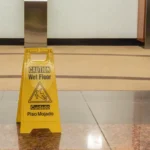
Mesquite properties are large, fast-moving, and packed with guests. Security and maintenance must operate nonstop. But when inspections are skipped or problems are ignored, catastrophic injuries follow.
We have seen falls from unsecured balconies, elevator malfunctions, and traumatic brain injuries from falling objects. In some cases, complaints were made days before the incident and no action was taken.
These facilities have a duty to maintain a safe environment. That duty applies whether you are a tourist or a full-time employee.
Past Violations Are Often Warning Signs That Were Ignored
If the hotel, casino, or management company has a record of past incidents, that history matters. Prior falls, broken lighting, or unaddressed security concerns often show a pattern of neglect that continues until someone gets hurt.
Vehicle Crashes at High Speed Are a Leading Cause of Catastrophic Harm
Highway crashes, rideshare collisions, and pedestrian impacts are a major source of spinal cord injuries, head trauma, and paralysis in Mesquite. Interstate 15, Tropicana Avenue, and Flamingo Road see thousands of cars per day. When a distracted or impaired driver fails to yield or runs a red light, the outcome can be devastating.
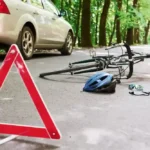
Seatbelts and airbags cannot prevent all damage. Motorcyclists, pedestrians, and bicyclists have even less protection. Survivors are often left with permanent damage to their brain, spine, or nervous system.
Commercial Drivers Are Often Overworked or Undertrained
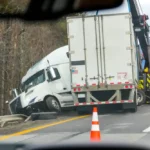
We have handled cases where drivers worked multiple shifts with little rest or where they received minimal instruction before operating large vehicles. These lapses are not minor. A two-second mistake at highway speed can lead to injuries that never fully heal.
Why Most Catastrophic Injuries in Mesquite Could Have Been Avoided
Most catastrophic injuries are not unpredictable. They are not random. They happen because someone failed to act, cut corners, or ignored a known risk. The injuries are life-changing, but the causes often come from familiar patterns.
We have seen these cases. They happen in hotels, on job sites, in parking garages, at public pools, on highways, and inside apartment complexes. Mesquite is built for speed, volume, and efficiency, but when safety is not prioritized, lives are ruined.
Unsafe Workplaces Create Long-Term Disabilities
Many catastrophic injuries in Mesquite start with unsafe working conditions. Construction zones, commercial kitchens, and industrial job sites all present daily hazards. These risks become deadly when employers fail to train workers, provide the right equipment, or enforce safety policies.
We’ve worked with clients who suffered spinal injuries after falling from scaffolding that lacked proper guardrails. Others lost limbs in mechanical accidents involving machines with missing or faulty lockout systems.
These were not freak incidents. They were failures of responsibility.
Safety Protocols Are Often Ignored to Save Time
Companies sometimes rush jobs to meet deadlines. When they do, they cut safety briefings, skip checklists, or leave broken gear in service. One wrong move in that environment does not result in a twisted ankle. It leads to permanent loss.
Hotel and Property Negligence Leads to Serious Trauma
Mesquite properties are large, fast-moving, and packed with guests. Security and maintenance must operate nonstop. But when inspections are skipped or problems are ignored, catastrophic injuries follow.
We have seen falls from unsecured balconies, elevator malfunctions, and traumatic brain injuries from falling objects. In some cases, complaints were made days before the incident, and no action was taken.
These facilities have a duty to maintain a safe environment. That duty applies whether you are a tourist or a full-time employee.
Past Violations Are Often Warning Signs That Were Ignored
If the hotel, casino, or management company has a record of past incidents, that history matters. Prior falls, broken lighting, or unaddressed security concerns often show a pattern of neglect that continues until someone gets hurt.
Vehicle Crashes at High Speed Are a Leading Cause of Catastrophic Harm
Highway crashes, rideshare collisions, and pedestrian impacts are a major source of spinal cord injuries, head trauma, and paralysis in Mesquite. Interstate 15, Tropicana Avenue, and Flamingo Road see thousands of cars per day. When a distracted or impaired driver fails to yield or runs a red light, the outcome can be devastating.
Seatbelts and airbags cannot prevent all damage. Motorcyclists, pedestrians, and bicyclists have even less protection. Survivors are often left with permanent damage to their brain, spine, or nervous system.
Commercial Drivers Are Often Overworked or Undertrained
We have handled cases where drivers worked multiple shifts with little rest or where they received minimal instruction before operating large vehicles. These lapses are not minor. A two-second mistake at highway speed can lead to injuries that never fully heal.
What Evidence Builds a Strong Catastrophic Injury Case in Mesquite?
When someone suffers a catastrophic injury, the medical crisis takes priority. But once the immediate danger passes, questions begin to surface. How did this happen? Could it have been prevented? Who is responsible?
These answers do not come from opinions. They come from evidence. The sooner you gather it, the better prepared you will be to pursue a full recovery.
Scene Documentation Tells the Story Others Will Try to Deny
Start with the place where the injury occurred. Was it a job site, hotel, apartment complex, casino, or roadway? Try to preserve photographs of what the area looked like at the time. Include lighting, signage, floor conditions, equipment, tools, or any visible hazards.
Take wide shots and close-ups. Get different angles. If a vehicle was involved, include damage, skid marks, or the location of impact.
Even if the scene has been cleaned or repaired, ask for photos from coworkers, witnesses, or nearby businesses. Some security cameras store footage for a limited time. It is critical to act quickly.
Collect Contact Information for Everyone Involved
Witnesses matter. So do bystanders, first responders, supervisors, and anyone who saw the moments before or after the incident. Their accounts may help confirm timing, behavior, or conditions that would otherwise be missed.
Ask for names, phone numbers, or email addresses. If they gave a statement to police or a property manager, make sure your legal team knows who to follow up with.
Medical Records Are the Blueprint of Your Recovery
From the first ER visit through each specialist appointment, your medical history tells the story of how this injury affected you. Keep every piece of documentation. That includes intake forms, imaging scans, prescriptions, surgical reports, therapy notes, and discharge instructions.
If you were transferred from one facility to another, request records from each location. Hospitals do not always share data between systems. Having a full timeline of your treatment is essential.
Also document pain levels, setbacks, or unexpected complications. If a doctor changes your prognosis or adds a new diagnosis, ask for it in writing.
Preserve All Physical Evidence and Personal Property
In many catastrophic injury cases, physical objects help prove what went wrong. This could include broken harnesses, defective equipment, a damaged helmet, or clothing torn at the time of the incident.
Do not throw these things away. Do not clean or alter them. Store them in a safe place and take photos of them as they are. These items may be tested or reviewed later.
If a vehicle or structure contributed to the injury, we may need access to black box data, structural reports, or maintenance logs. Our team can request that evidence before it disappears.
Create a Daily Record of What Changed
Catastrophic injuries affect every part of life. You may struggle with memory, speech, or pain that fluctuates each day. You may lose mobility or independence. These things are hard to quantify unless you track them.
Keep a notebook or use your phone to log changes. Did you fall trying to get out of bed? Did medication cause side effects? Did you cry from pain? These entries show the long-term impact that medical files do not always capture.
If your loved one is unable to write, a caregiver or spouse can make those notes for them.
After a Catastrophic Injury in Mesquite, You Deserve Protection and Long-Term Support
A catastrophic injury affects more than one person. It changes the entire household. While you focus on recovery, the insurance company may already be preparing to limit what they pay. You deserve a legal team that acts fast, investigates fully, and protects your rights from the start.
Here’s what you can expect from CVBN Law:
- Immediate steps to secure photos, witness statements, and site evidence before it disappears
- Detailed investigation of what caused the injury and who is legally responsible
- A legal strategy built around your long-term care, medical needs, and loss of income
- Clear guidance through Nevada personal injury law with no confusion or delays
- No legal fees unless we recover compensation for you
Call to speak with CVBN Law and find out how we can help after a catastrophic injury in Mesquite.