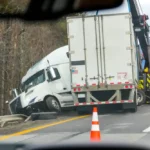

UPS & Commercial Delivery Accident Lawyers in Las Vegas
UPS trucks travel through Las Vegas every day, delivering packages to residential neighborhoods, commercial centers, and hotels throughout the valley. These delivery vehicles include large brown box trucks, step vans, and freight carriers that frequently operate in high-traffic areas under tight deadlines. When a UPS truck is involved in a collision, the resulting damage can be severe. The size and weight of these trucks create a significant risk of serious injury, permanent disability, or death for other drivers and passengers. These cases also involve complex liability rules and commercial insurance policies that make filing a claim especially difficult without strong documentation and prompt action.
UPS delivery drivers face unique challenges in Las Vegas traffic. Streets near The Strip, Summerlin, and East Las Vegas experience constant congestion, limited visibility, and unpredictable tourist driving behavior. UPS trucks often double park, block intersections, or reverse into narrow alleyways behind hotels, retail plazas, and apartment complexes. Crashes frequently happen when drivers miss blind spots, make wide turns, or try to finish their routes quickly under pressure from time-sensitive delivery schedules. Even low-speed impacts can cause substantial harm when a commercial vehicle strikes a smaller car, cyclist, or pedestrian.
Large trucks like those operated by UPS were involved in over 119,000 injury crashes and more than 5,000 fatal collisions nationwide in 2021. UPS, like all major carriers, is subject to federal safety oversight and must maintain high-value commercial insurance coverage to operate legally. In Las Vegas, crash investigations may involve local police, Nevada Highway Patrol, FMCSA auditors, and private forensic experts. If you were hurt in a UPS delivery truck accident, it is important to understand how these claims are handled and what evidence is necessary to recover full compensation under Nevada law.
What Do I Do After a UPS Truck Accident in Las Vegas
Being involved in a crash with a UPS truck can be overwhelming. You may be injured, confused, and unsure who to speak with first. Commercial vehicle crashes are not handled the same as typical car accidents. Delivery drivers often work for large corporations with insurance adjusters ready to protect their interests. That is why every step you take after the crash matters. The guidance below will help you stay focused, protect your health, and secure the evidence you need to support your claim.
Collect UPS Driver and Vehicle Details at the Scene
Start by getting as much information from the UPS driver as possible. Ask for their full name, phone number, and commercial insurance details. If you can, write down the truck’s license plate, truck number, and any identifying UPS markings. You will likely see a six-digit truck ID near the rear or side doors. Also, check for the U.S. Department of Transportation (USDOT) number, usually printed on the truck’s body. This number helps confirm whether UPS or a third-party contractor operates the vehicle. Take several photos of the truck, the crash scene, and any visible injuries. These records may become important later.
Request Law Enforcement and Get an Official Police Report
Always call 911 after an accident involving a commercial truck. Even if your injuries feel minor, a police report can become critical in proving what happened. The officer will document where the crash occurred, who was involved, and if any traffic violations occurred. Make sure the officer knows the vehicle is a commercial UPS truck. Be polite and give your version of the events clearly and calmly. Before you leave the scene, ask for the incident number and the officer’s name. Later, request a full copy of the crash report for your records.
Preserve Dashcam Video and Digital Records Immediately
Next, focus on saving digital evidence. If your car has a dashcam, save the footage right away. Store it in more than one place, such as a hard drive and a cloud folder. Do not edit or delete anything. Also, check for nearby businesses that may have security cameras aimed at the road. You may be able to request that footage before it is deleted. UPS trucks often use GPS tracking and internal data systems. However, these records are controlled by the company. If you delay, that information may no longer be available when you need it.
Document Injuries, Symptoms, and Medical Appointments
Finally, protect your health and your legal claim by getting medical care as soon as possible. Even if you feel okay at first, some injuries take time to show. Go to an emergency room, urgent care, or your primary doctor for a full check-up. Keep records of every visit, diagnosis, and treatment plan. If you receive prescriptions, physical therapy, or medical equipment, save those receipts too. Write down how you feel each day and how the injuries have affected your life. These details help show how the crash disrupted your routine, your work, and your well-being.
How UPS Truck Accidents Commonly Happen on Las Vegas Roads
UPS truck crashes follow patterns that reflect the unique challenges of urban delivery. These vehicles often navigate through neighborhoods, service roads, and commercial centers that were never designed for trucks of their size. When accidents occur, the causes are usually rooted in tight schedules, poor visibility, or simple human error. Las Vegas presents specific dangers, including sudden traffic changes, multi-lane intersections, and heavy pedestrian movement. Understanding how these accidents happen helps victims identify what went wrong and how to pursue compensation.
Left Turns and Wide-Angle Delivery Maneuvers
UPS trucks require a wide turning radius, especially when carrying heavy loads. In Las Vegas neighborhoods like Summerlin, Enterprise, and Sunrise Manor, trucks often make left turns into side streets or business lots. These turns can cut into opposing traffic lanes or cross double-yellow lines. Smaller cars next to the truck may be sideswiped or forced off the road. When the driver underestimates space or cuts a turn too sharply, the vehicle’s long frame creates a hazard for everyone around it.
Multi-Lane Intersections Increase Left-Turn Crash Risk
Busy Las Vegas intersections often include multiple lanes, short turn signals, and uneven pavement. UPS trucks navigating these intersections must time their turns with precision. If a driver rushes to clear the intersection or misses oncoming traffic, the results can be catastrophic. Drivers in compact cars may not anticipate how wide the truck will swing, leading to direct impact.
Parking and Backing Into Crowded Areas
Backing accidents are one of the most common crash types involving UPS trucks in urban settings. In commercial centers like The Strip, Town Square, and The District at Green Valley Ranch, drivers must park in alleys or narrow loading zones. UPS trucks may block crosswalks or back into shared access points without a clear line of sight. These collisions often involve pedestrians, delivery workers, or cyclists who are difficult to see from the truck’s side or rear mirrors.
UPS vehicles lack full 360-degree vision unless equipped with upgraded camera systems. In many cases, there is no spotter present to assist with backing. This creates blind spots that leave nearby people or vehicles exposed to danger. Even low-speed backing accidents can cause severe injuries due to the size and weight of the truck.
Rear-End Collisions at Busy Intersections
UPS trucks carry thousands of pounds of cargo and require extended braking distances. When drivers travel through roads like Tropicana Avenue, Sahara Avenue, or the US-95 frontage roads, they must account for frequent and unpredictable stops. Tourists, taxis, and rideshare vehicles often change lanes without warning, increasing crash risk. A distracted or fatigued UPS driver may not brake in time, especially if traffic conditions change suddenly. Rear-end collisions at moderate speeds can cause serious whiplash, head trauma, and spinal injuries for passengers in smaller vehicles.
Cargo Load and Braking Delay in Heavy Traffic
The weight inside a UPS truck directly affects its ability to stop. When cargo is not evenly distributed or exceeds the safe limit, the truck may skid or push forward even after the brakes engage. This is especially dangerous on downhill ramps and exit lanes where momentum builds quickly. Drivers must know the truck’s weight and adjust speed accordingly. Failure to do so can turn a routine stop into a high-force collision.
Delivery Pressure and Distraction Behind the Wheel
UPS drivers often work under pressure to meet tight delivery windows. Many use handheld scanners, route tablets, or in-truck software that requires frequent updates. When drivers divide their focus between the road and these devices, the risk of a crash increases. In Las Vegas, where roads are crowded and drivers behave unpredictably, even one second of distraction can result in a serious accident.
Time pressure also leads to aggressive driving. Some drivers speed between stops, roll through stop signs, or take shortcuts in parking lots. When multitasking becomes the norm, awareness drops. This makes it harder to respond quickly to hazards, traffic changes, or pedestrians stepping into crosswalks. These behaviors are among the leading contributors to UPS truck crashes across the valley.
Compensation After a UPS Truck Accident in Las Vegas
After a UPS truck crash, many victims are left with serious injuries, lost wages, and a pile of medical bills. Unlike a regular car accident, crashes involving commercial vehicles involve larger insurance policies, corporate liability, and sometimes federal regulations. The damages can be extensive, and Nevada law allows injured individuals to recover for both economic and non-economic losses. Understanding what compensation is available and how to document it can help protect your claim from early denial or delay.
Emergency Medical Bills and Ongoing Treatment
Medical costs are usually the first concern after a serious UPS crash. Ambulance transport, emergency room care, imaging tests, and surgery all add up quickly. After the initial visit, patients often need follow-up with orthopedic surgeons, neurologists, or physical therapists. Las Vegas-area trauma centers like UMC and Sunrise frequently treat crash victims who later require months of recovery. Medical expenses include not just hospital visits, but also prescriptions, rehab equipment, and in-home care. All records should be saved and organized by date to show the full financial impact of the injuries.
Lost Wages and Future Work Impact
A serious delivery truck crash often forces people to miss work for weeks or longer. In more severe cases, victims may never return to their previous jobs. Lost wages include both missed paychecks and lost tips or commissions. Nevada law also allows compensation for long-term earning losses if your injuries reduce your ability to work. Self-employed workers should gather tax returns, invoices, or bank records to show income history. Expert evaluations may help calculate future wage losses for younger victims or those with physically demanding careers.
Pain, Mental Distress, and Quality of Life Damages
The emotional impact of a truck crash does not always show up on medical scans. Victims often struggle with sleep, anxiety, and reduced enjoyment of life. Non-economic damages cover issues like pain, depression, loss of mobility, and strained family relationships. These claims can be harder to prove, but they are just as important. A detailed injury journal, mental health records, or statements from friends and family may support this part of the claim. In some cases, these emotional damages can make up the largest part of the overall settlement.
Property Damage and Personal Belongings
UPS trucks are heavy vehicles that often crush smaller cars during impact. Damage to your vehicle, personal items, phones, or work tools may be included in your compensation. Keep repair estimates, photographs, and receipts for anything damaged in the crash. If your car was totaled, insurance companies will try to pay based on market value, not replacement cost. Documentation that proves the car’s recent repairs or upgrades can help you receive a fairer amount.
UPS Commercial Insurance Policy
UPS trucks are backed by high-limit commercial insurance policies that cover injury claims caused by their drivers. These policies are often required to carry at least $750,000 in liability coverage and may go higher based on the type of truck, route, or cargo. Victims in private vehicles, pedestrians, and cyclists may automatically qualify for coverage if the UPS driver was at fault. Some cases involve third-party contractors, which may require filing against a different carrier. Whether the driver is an employee or contractor, the policy terms still apply. Claims involving serious injury or wrongful death often meet minimum thresholds without dispute. Early documentation and crash scene reports help confirm that commercial coverage should apply to your injuries.
What Injuries Can You Get From a UPS Truck Accident in Las Vegas?
Injuries from a UPS truck crash are often more severe than typical car accidents. These trucks weigh thousands of pounds and strike with heavy force. Victims in smaller vehicles, on bicycles, or on foot face a much higher risk of serious trauma. Even low-speed impacts can result in long-lasting medical problems. Many victims do not feel the full extent of their injuries until hours or days after the crash. Below are some of the most common injuries caused by UPS delivery truck collisions in Las Vegas.
Head Injuries and Brain Trauma
UPS crashes often involve hard impacts that cause a victim’s head to strike the dashboard, window, or steering wheel. Even with airbags, a concussion or traumatic brain injury can occur. Symptoms may include memory loss, dizziness, headaches, or blurred vision. In more serious cases, brain swelling or bleeding may require surgery. These injuries often require evaluation by a neurologist and extended monitoring to detect lasting damage. If untreated, head trauma can affect speech, coordination, and emotional control.
Neck, Back, and Spinal Injuries
Neck and spinal trauma are among the most common injuries in rear-end and side-impact UPS crashes. Whiplash is frequently diagnosed in lower-speed collisions, while herniated discs or spinal cord damage can happen in high-impact wrecks. Victims may experience numbness, tingling, or even loss of mobility. Recovery from spinal injuries often involves physical therapy, chiropractic treatment, or surgery. These injuries may prevent victims from lifting, driving, or working for extended periods.
Long-Term Complications from Spinal Injuries
When the spinal column is compressed or damaged, victims may face a lifetime of physical limitations. Chronic pain, nerve inflammation, and reduced flexibility can develop months after the accident. Even after surgery, some patients never regain full function. These complications increase the long-term value of the injury claim and should be documented through ongoing medical evaluations and functional assessments.
Broken Bones and Joint Injuries
UPS truck accidents often produce enough force to break bones or dislocate joints. Victims may suffer fractured wrists, ribs, legs, or facial bones depending on where they were seated during impact. Some fractures require plates or screws to stabilize the injury. Recovery may take months and often involves mobility aids like crutches or braces. When joints are injured, victims may lose their full range of motion or develop arthritis in the years following the crash.
Internal Injuries and Bleeding
In more violent UPS crashes, victims may suffer injuries that are not immediately visible. Damage to internal organs like the liver, spleen, or lungs may not show up until pain, swelling, or shortness of breath occurs. Seatbelt pressure and blunt force trauma can also cause internal bleeding that becomes life-threatening without urgent medical care. If you feel pain in your abdomen or chest after the crash, seek evaluation at a trauma center immediately.
What Evidence Matters Most in a UPS Truck Accident Investigation
Proving fault in a UPS truck crash requires more than just your statement. Commercial vehicle investigations depend on hard evidence to show how the crash happened and who is legally responsible. UPS trucks are equipped with tracking systems, driver logs, and inspection records that may support your claim. However, this information can disappear quickly if not preserved early. If you were injured in a UPS crash, securing the right evidence may determine whether you receive full compensation.
Police Reports and Officer Documentation
The official crash report from law enforcement is one of the most important documents in any truck accident claim. It provides an independent summary of what happened, who was involved, and whether any citations were issued. Police reports often include diagrams of the crash scene, weather and lighting conditions, and witness information. Always ask the officer for the incident number before leaving the scene. Later, request a full copy of the report from the Las Vegas Metropolitan Police Department or Nevada Highway Patrol.
Photographs and Video of the Crash Scene
Photos are essential for showing the damage, road layout, and position of the UPS truck. Take pictures of vehicle damage, skid marks, debris, traffic lights, and road signs. If your vehicle has a dashcam, save all video files from before, during, and after the collision. Bystanders or nearby businesses may have surveillance footage that captured the crash. Time-stamped images can prove speed, lane position, and point of impact more clearly than any written statement.
Witness Statements and Contact Information
Independent witnesses often make a major difference in UPS crash claims. If someone saw the accident, ask for their full name, phone number, and a brief summary of what they observed. Police may not interview every witness on scene, especially if no one is seriously injured at the time. Written or recorded witness accounts can support your version of the events and help clarify who caused the crash.
Medical Records That Link Injuries to the Crash
To prove the crash caused your injuries, you need detailed medical documentation. Visit a medical provider as soon as possible and explain that your symptoms began after the UPS crash. Save every record from urgent care clinics, hospitals, specialists, and therapists. This includes diagnosis reports, test results, prescriptions, and doctor’s notes. Medical records help connect the crash to your current condition and support the amount of compensation you request.
UPS Vehicle Data and Tracking Systems
UPS trucks use GPS systems, electronic logging devices (ELDs), and sometimes on-board cameras. These systems track vehicle speed, braking, location, and route history. In some cases, the truck may also have a black box that records sudden stops or collisions. This data can prove if the driver was speeding, failed to brake, or deviated from their scheduled route. However, UPS controls access to this information. A legal request or formal preservation letter is often required to prevent the data from being erased or overwritten.
Get the Help You Deserve After UPS Truck Accident
A crash involving a UPS truck can leave you injured and unsure of where to turn next. You deserve answers, accountability, and a legal team that knows how to handle commercial delivery vehicle claims in Nevada.
Here’s what you can expect when you choose CVBN Law:
- Immediate action to preserve UPS vehicle data, delivery route logs, and driver hours.
- Full coordination with law enforcement, crash investigators, and insurance adjusters
- Medical record management and documentation of injuries and long-term care
- Clear legal strategy based on commercial trucking laws in Nevada
- No legal fees unless we secure compensation on your behalf
Call CVBN Law today to schedule your free, no-pressure consultation!