


The woman accused of fatally striking a man on New Year’s Day will stay in jail on a $150,000 bond, a judge declared last weekend, according to KTVN Las Vegas. The fatal collision occurred in the early morning hours on Lamb Boulevard near Ann Road, where the woman’s vehicle allegedly struck the three-wheeled motorcycle. The rider was shortly thereafter pronounced at the scene. The suspect was arrested and charged with driving under the influence resulting in death, and officers continue to investigate the circumstances surrounding the crash as charges move through the court system.
Incidents like this northeast Las Vegas DUI crash highlight how quickly impaired driving can turn deadly, with tragic consequences for victims and their families. When a collision involves suspected alcohol or drug impairment, investigators must piece together evidence from the scene, statements, and toxicology results to determine responsibility. Fatal crashes often leave loved ones with unanswered questions, emotional trauma, and financial burdens, including funeral costs and lost support. As this case proceeds through the legal system, prosecutors, defense attorneys, and the community will be watching closely, and the investigation remains ongoing. If you’ve lost a loved one in a DUI crash, let our experienced legal team help. Call us at (702) 255-0700 to discuss your case.
Why Legal Support Matters After a Northeast Las Vegas DUI Crash
A Northeast Las Vegas DUI crash can leave families facing overwhelming grief, shock, and complex legal challenges, which is why our team at CVBN Law steps in to provide experienced guidance and support. At CVBN Law, we understand how devastating it is to lose a loved one or suffer serious injuries due to another driver’s impaired decision-making. We take the time to carefully review the circumstances of the crash, analyze available evidence such as police reports and toxicology findings, and help our clients understand how the legal process may unfold. Our focus is on offering clarity and steady support during a time that often feels uncertain and emotionally overwhelming.
When we handle a Northeast Las Vegas DUI crash case, we work to reduce the burden on our clients by managing the legal complexities and advocating for accountability. We examine how impairment may have contributed to the collision, identify all potentially responsible parties, and assess the full impact of the crash on our clients’ lives, including emotional loss, financial strain, and long-term consequences. At CVBN Law, we prioritize clear communication and personalized attention, ensuring our clients feel informed, supported, and confident as their case moves forward.
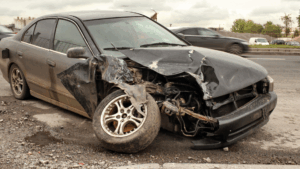
Common Causes of a Northeast Las Vegas DUI Crash
A Northeast Las Vegas DUI crash often occurs when a driver’s ability to operate a vehicle safely is impaired by alcohol, drugs, or a combination of substances. Impaired driving reduces reaction time, judgment, coordination, and awareness, making it significantly more difficult to respond to traffic conditions or avoid hazards. These crashes frequently happen late at night, during weekends, or near entertainment corridors, but they can occur at any time of day. Understanding the common causes helps explain why DUI-related collisions are especially dangerous and often severe.
Alcohol-Impaired Driving
Alcohol consumption remains one of the most common causes of DUI crashes. Even small amounts of alcohol can affect judgment, depth perception, and reaction time. Drivers may underestimate their level of impairment and overestimate their ability to drive safely. These misjudgments often lead to devastating consequences on the road.
Reduced Reaction Time and Poor Decision-Making
Alcohol slows the brain’s ability to process information and respond to sudden changes in traffic. Impaired drivers may fail to brake in time, misjudge distances, or make unsafe turns. These delayed reactions increase the likelihood of high-impact collisions. Poor decision-making often plays a central role in DUI crashes.
Drug-Impaired Driving
Driving under the influence of drugs, including prescription medications, illegal substances, or a combination of drugs and alcohol, also contributes to DUI crashes. Certain drugs can cause drowsiness, confusion, or impaired motor control. These effects may not be immediately obvious to the driver but can significantly increase crash risk.
Mixing Substances
Combining alcohol with other drugs can amplify impairment effects. This combination often leads to greater loss of coordination and awareness. Mixed substance use increases unpredictability behind the wheel. These cases are often more complex to investigate.
Speeding and Reckless Driving While Impaired
Impaired drivers are more likely to speed or engage in aggressive driving behaviors. Reduced inhibitions can lead to risky maneuvers such as tailgating or unsafe lane changes. Speed magnifies the severity of collisions. Reckless behavior significantly increases danger for everyone on the road.
How Fault Is Determined After a Northeast Las Vegas DUI Crash
Determining fault after a Northeast Las Vegas DUI crash involves examining driver behavior, impairment evidence, and traffic law compliance. Fault assessments are critical for insurance claims and potential civil cases. Because DUI crashes often involve criminal investigations, multiple sources of evidence may be reviewed. Liability determinations rely on facts rather than assumptions.
Evaluating Driver Impairment
Investigators assess whether the driver was impaired at the time of the crash. This may involve chemical testing, officer observations, and witness statements. Evidence of impairment strongly supports fault findings. DUI violations often establish negligence.
Breath, Blood, and Field Sobriety Tests
Chemical test results may show alcohol or drug levels above legal limits. Field sobriety tests and officer observations provide additional context. These findings are often central to fault determination. Documentation is critical.
Reviewing Traffic Law Violations
Investigators examine whether the impaired driver violated traffic laws such as speeding, failure to yield, or running red lights. These violations often accompany DUI crashes. Traffic citations or arrest records may be reviewed. Violations strengthen liability claims.
Crash Scene Analysis
Skid marks, vehicle damage, and roadway evidence help reconstruct events. This analysis supports conclusions about speed and braking. Physical evidence often corroborates impairment findings. Reconstruction adds clarity.
Comparative Fault Considerations
In some cases, more than one party may share responsibility. Comparative fault principles allow liability to be allocated proportionally. Evidence supports accurate fault division. This approach reflects real-world complexity.
Evidence That Can Support a Northeast Las Vegas DUI Crash Claim
Strong evidence is essential in a Northeast Las Vegas DUI crash claim to establish impairment, causation, and the full scope of damages suffered by victims. DUI-related collisions often involve both criminal investigations and civil liability claims, which means evidence may come from multiple agencies and sources. This layered documentation can provide a clearer picture of how impairment contributed to the crash and why the at-fault driver should be held accountable. Early and thorough evidence collection is especially important, as critical details can be lost over time or challenged by insurers.
Police Reports and Criminal Case Records
Police reports are often one of the most important pieces of evidence in a DUI crash claim because they document the responding officer’s observations at the scene. These reports may include notes about the driver’s behavior, appearance, speech, and coordination, as well as statements from witnesses and involved parties. In DUI cases, police documentation frequently references suspected impairment, field sobriety testing, and whether an arrest was made. Criminal court records related to the DUI charge can further support civil claims by establishing that the driver was formally accused or convicted of impaired driving.
DUI Arrest, Booking, and Charging Documents
Arrest reports and booking records often contain detailed information about the circumstances leading to the driver’s detention. These documents may include preliminary test results, officer narratives, and timelines that align with the crash. Charging documents and court filings can confirm the nature of the DUI offense and any enhancements, such as injury or death. Together, these records help demonstrate impairment and support fault determinations in civil proceedings.
Chemical Test Results and Impairment Evidence
Chemical testing is frequently central to DUI crash claims because it provides objective measurements of alcohol or drug levels in the driver’s system. Breath, blood, or urine test results may show concentrations above legal limits or the presence of controlled substances. These results help establish impairment at or near the time of the crash. Proper timing and handling of these tests are critical to their reliability.
Breath, Blood, and Toxicology Analysis
Breathalyzer results are often collected at the scene or shortly after arrest, while blood tests may be conducted at a medical facility. Toxicology reports can identify alcohol, prescription medications, or illegal substances. These findings help link impairment to unsafe driving behavior. Correlating test results with crash timing strengthens causation arguments.
Medical Records and Injury Documentation
Medical records play a key role in connecting the DUI crash to the injuries suffered by victims. Emergency room records, imaging studies, surgical notes, and follow-up treatment documentation illustrate the severity of injuries and the course of recovery. These records help demonstrate that injuries were directly caused by the crash rather than by unrelated events. Consistent medical care also supports credibility and damages evaluation.
Emergency Treatment and Long-Term Care Records
Emergency medical records often provide the first documentation of injuries and may include observations about the crash mechanism. Follow-up records show ongoing symptoms, rehabilitation needs, and long-term limitations. Together, these documents help establish both immediate and future medical impact. Comprehensive records support accurate assessment of damages.
Witness Statements and Independent Accounts
Witness testimony can be especially valuable in DUI crash claims, as bystanders may have observed erratic driving, speeding, or other signs of impairment before the collision. Independent accounts from pedestrians, passengers, or nearby motorists can help corroborate police findings. Statements collected soon after the crash are often more reliable. These perspectives help fill gaps and strengthen the overall narrative.
Descriptions of Driving Behavior Before the Crash
Witnesses may report swerving, running red lights, or near-miss incidents involving the impaired driver. These observations help demonstrate reckless or unsafe driving linked to impairment. Pre-crash behavior is often critical in establishing negligence. Independent testimony adds credibility.
Surveillance Footage and Video Evidence
Video evidence has become increasingly important in DUI crash cases. Traffic cameras, nearby business surveillance systems, or residential security cameras may capture the crash itself or the driver’s behavior beforehand. Video footage provides objective timelines and visual confirmation that can be difficult to dispute. When available, this evidence often plays a decisive role.
Dashcams and Public or Private Cameras
Dashcams from other vehicles may show erratic driving, impact moments, or traffic signal compliance. Cameras from gas stations, intersections, or businesses can capture approach speeds or the collision sequence. Prompt retrieval is essential, as many systems overwrite recordings within days. Video evidence often provides clarity where accounts conflict.
Accident Reconstruction and Expert Analysis
In more complex Northeast Las Vegas DUI crash cases, accident reconstruction may be used to analyze how the collision occurred. Reconstruction experts examine physical evidence, vehicle damage, and scene measurements to recreate the sequence of events. This analysis helps clarify speed, braking, and driver response. Expert findings can support or reinforce other evidence.
Correlating Impairment With Crash Dynamics
Reconstruction analysis may show delayed braking or lack of evasive action consistent with impairment. When combined with chemical test results and witness accounts, this correlation strengthens causation arguments. Expert analysis adds technical support. These findings help present a comprehensive case.
What to Expect During a Northeast Las Vegas DUI Crash Case
A Northeast Las Vegas DUI crash case often unfolds through multiple stages, combining elements of both civil injury claims and, in many situations, parallel criminal proceedings against the impaired driver. For victims and families, this process can feel overwhelming, especially while coping with physical injuries, emotional trauma, or the loss of a loved one. Understanding what typically happens during a DUI crash case can help set expectations and reduce uncertainty. While every case is different, most follow a structured path from investigation through resolution.
Initial Investigation and Evidence Review
The case typically begins with a detailed investigation into how the crash occurred and whether impairment played a role. Law enforcement conducts its own investigation at the scene, while additional evidence may continue to emerge in the days and weeks that follow. This early stage is critical because much of the evidence used later is collected or preserved during this period. Thorough investigation helps establish the foundation of the case.
Collection of Police Reports and DUI Records
Police reports often include officer observations, witness statements, field sobriety testing results, and details about any arrest or charges. DUI-related records such as booking information, breath or blood test results, and criminal complaints may also be reviewed. These documents help clarify whether impairment was present and how it contributed to the crash. Accurate review of these records is essential.
Gathering Medical and Crash Scene Documentation
Medical records document the injuries suffered and link them directly to the crash. Crash scene evidence such as photographs, vehicle damage, and roadway conditions helps reconstruct events. Together, these records form the factual backbone of the case. Early organization improves clarity.
Insurance Claims and Coverage Evaluation
Most Northeast Las Vegas DUI crash cases involve insurance claims that must be addressed alongside any criminal proceedings. Insurance companies may begin evaluating the claim soon after the crash, often focusing on liability and damages. Victims may deal with multiple insurers depending on the parties involved. Understanding coverage is an important step.
Liability Insurance and Policy Limits
The at-fault driver’s liability coverage is typically reviewed first. Policy limits may affect how much compensation is available. In some cases, additional coverage such as uninsured or underinsured motorist policies may apply. Careful evaluation helps clarify recovery options.
Dealing With Insurance Delays or Disputes
Insurance companies may dispute fault, challenge damages, or delay payment while investigations continue. DUI cases can involve extended timelines due to criminal proceedings. Patience and documentation are often required. Clear records help move claims forward.
Interaction With the Criminal DUI Case
In many Northeast Las Vegas DUI crash cases, the at-fault driver faces criminal charges at the same time a civil claim is pursued. While these cases are separate, they often overlap in evidence and timing. The outcome of the criminal case can influence the civil matter. Understanding this relationship helps manage expectations.
Criminal Proceedings and Their Impact
Criminal cases may involve arraignments, hearings, and potential trial or plea agreements. Convictions or guilty pleas may strengthen civil claims by establishing wrongdoing. However, civil cases do not depend solely on criminal outcomes. Each process follows its own standards.
Timing Differences Between Criminal and Civil Cases
Criminal cases may take months or longer to resolve. Civil claims may proceed simultaneously or pause depending on circumstances. Delays are common. Awareness of timelines helps reduce frustration.
Case Valuation and Damage Assessment
As the case progresses, damages are evaluated based on the injuries and losses suffered. This assessment considers both economic and non-economic impacts. Proper valuation ensures the case reflects the full scope of harm. Accurate documentation supports this process.
Medical Costs, Lost Income, and Future Needs
Medical expenses, rehabilitation costs, and lost wages are reviewed carefully. Future medical care or reduced earning capacity may also be considered. These losses often represent a significant portion of the case value. Thorough analysis is important.
How Las Vegas Car Accident Lawyers Help Provide Key Support
After a serious car accident, victims often face physical injuries, emotional stress, and uncertainty about their legal and financial options. Las Vegas car accident lawyers help provide structure and guidance during this challenging time by handling legal matters while clients focus on recovery. Car accident cases frequently involve disputed liability, insurance complications, and long-term consequences that require careful attention. Experienced legal support helps accident victims understand their rights and navigate the process with greater confidence.
Investigating the Car Accident Thoroughly
A comprehensive investigation is one of the most important ways car accident lawyers support their clients after a serious collision. Attorneys take the time to review police reports, crash scene photographs, witness statements, and available video footage to understand exactly how the accident occurred. This process helps identify contributing factors such as driver negligence, unsafe road conditions, or mechanical issues that may not be immediately obvious. A detailed investigation allows attorneys to build a clear narrative of events and establish a strong foundation for effective advocacy throughout the case.
Reviewing Crash Scene Evidence and Documentation
Physical evidence such as vehicle damage, skid marks, debris patterns, and roadway conditions can reveal critical details about speed, direction of travel, and points of impact. Lawyers carefully review photographs, measurements, and diagrams to preserve details that may disappear as vehicles are repaired or roadways are cleared. Early and thorough documentation helps maintain accuracy and prevents key facts from being lost over time. This attention to detail strengthens the overall credibility of the case.
Analyzing Vehicle Damage and Impact Points
Damage patterns on vehicles often provide insight into how the collision unfolded and which party may have been at fault. Crumple zones, intrusion points, and scrape marks can help explain the force and angle of impact. These details may also correlate with injury patterns suffered by occupants. Careful inspection of vehicle damage supports accurate fault analysis and reconstruction.
Identifying Environmental and Roadway Factors
Environmental conditions such as lighting, weather, signage, and lane markings are also evaluated as part of the investigation. Poor visibility, unclear signage, or hazardous road design may contribute to collisions and help explain why a driver failed to react in time. Attorneys consider whether roadway conditions met safety standards and how they may have influenced driver behavior. This broader context adds important clarity to liability evaluations.
Determining Liability and Identifying Responsible Parties
Establishing who is legally responsible for a car accident is a critical step in the claims process and often determines how a case proceeds. Lawyers evaluate driver behavior, traffic law compliance, and surrounding circumstances to identify negligence or unsafe conduct. In some cases, liability may extend beyond one driver to include employers, vehicle owners, or other parties. Identifying all responsible parties ensures accountability and helps shape a comprehensive legal strategy.
Evaluating Negligence and Traffic Law Violations
Attorneys assess whether a driver violated traffic laws, drove while impaired, or engaged in reckless behavior such as speeding or distracted driving. Evidence of these violations often plays a central role in establishing negligence. Police observations, citations, and witness statements may support these findings. Legal standards guide how responsibility is determined and applied.
Reviewing Driver Actions Before the Collision
Pre-crash behavior such as lane changes, braking patterns, and reaction time is closely examined to determine whether reasonable care was exercised. Attorneys analyze whether the driver had sufficient time and opportunity to avoid the collision. These actions often reveal critical details about fault. Understanding what happened moments before impact is essential to accurate liability analysis.
Considering Shared or Comparative Fault
Some car accidents involve multiple contributing factors, and responsibility may be shared between parties. Lawyers evaluate whether comparative fault principles apply and how responsibility should be allocated. Evidence is used to support fair fault distribution. This approach reflects the complexity of real-world driving situations and helps set realistic expectations.
Managing Insurance Company Communications
Insurance companies typically become involved immediately after a crash and often begin evaluating claims quickly. Lawyers manage all communication with insurers to help protect clients from unfair tactics, misstatements, or pressure to settle prematurely. They review policy language, respond to information requests, and ensure that communications remain accurate and consistent. This support reduces stress for accident victims and helps prevent costly mistakes.
Addressing Claim Disputes and Settlement Discussions
Disputes over fault, coverage, or compensation are common in car accident cases. Lawyers use evidence and documentation to challenge low settlement offers and respond to insurer arguments. Negotiations may involve multiple rounds of discussion before resolution. Strategic advocacy helps ensure that claims are evaluated fairly and thoroughly.
Responding to Recorded Statement Requests
Insurance adjusters often request recorded statements shortly after a crash. Attorneys help manage the timing and content of these statements to prevent misinterpretation or misuse. Thoughtful handling of these requests helps protect the integrity of the claim. Careful communication reduces unnecessary risk.
Reviewing Policy Limits and Coverage Issues
Policy limits, exclusions, and coverage provisions are carefully reviewed to determine what compensation may be available. Understanding the scope of coverage helps shape negotiation strategy and manage expectations. Lawyers identify potential obstacles early and work to address them proactively. Clear policy analysis supports informed decision-making.
Evaluating Injuries and Long-Term Impact
Car accident injuries can range from minor to life-altering, and their impact often extends far beyond initial treatment. Lawyers review medical records to understand both immediate injuries and long-term care needs. This evaluation includes physical limitations, emotional distress, and financial consequences. A comprehensive assessment ensures that the full scope of harm is recognized.
Accounting for Pain, Suffering, and Lifestyle Changes
Injuries may affect daily activities, work responsibilities, and personal independence in lasting ways. Lawyers help document these changes through medical records and personal accounts. Emotional distress and reduced quality of life are also considered. A complete evaluation presents an accurate picture of the accident’s impact.
Assessing Future Medical and Rehabilitation Needs
Some injuries require ongoing treatment, rehabilitation, or future surgical intervention. Lawyers evaluate projected medical needs to ensure long-term care is considered. Planning for future expenses helps reflect the true cost of recovery. Accurate assessment supports fair case valuation.
Evaluating Employment and Income Disruptions
Lost wages and reduced earning capacity are carefully reviewed when injuries interfere with employment. Some individuals may be unable to return to their previous roles or work at the same level. These disruptions can have lasting financial consequences. Thorough evaluation helps ensure these losses are properly addressed.
Guiding Clients Through the Legal Process
The legal process following a car accident can feel overwhelming, especially for those unfamiliar with insurance and liability systems. Lawyers explain each stage of the case in clear terms so clients know what to expect moving forward. Ongoing guidance helps reduce uncertainty and stress. Clear communication supports informed decision-making throughout the process.
Preparing Cases for Settlement or Litigation
Some car accident cases resolve through settlement negotiations, while others proceed to court. Lawyers prepare cases for both outcomes by organizing evidence and developing legal arguments. Preparation strengthens negotiating positions and ensures readiness. Trial preparedness remains an important part of effective advocacy.
Explaining Legal Timelines and Deadlines
Clients are informed about filing deadlines, procedural requirements, and expected timelines. Understanding these milestones helps avoid surprises and missed opportunities. Transparency builds confidence and trust. Clear expectations support smoother case progression.
Supporting Clients Through Case Resolution
Whether a case resolves through negotiation or trial, lawyers remain actively involved through resolution. Consistent communication ensures clients feel informed and prepared. Advocacy continues until the matter is concluded. Support remains a priority throughout the process.
Contact an Experienced Northeast Las Vegas DUI Crash Lawyer Today
After a serious DUI collision, having knowledgeable legal guidance can make a meaningful difference in how victims and families navigate the aftermath. At CVBN Law, we understand that those affected by a Northeast Las Vegas DUI crash are often dealing with intense grief, painful injuries, and uncertainty about what comes next. We take a compassionate and thorough approach to every case, carefully reviewing the details of the crash and working to understand how it has affected your health, finances, and family stability. Our goal is to provide clarity and steady support during a time that can feel overwhelming.
When you choose CVBN Law, you gain a legal team committed to protecting your rights and advocating for your best interests at every stage of the legal process. We focus on clear communication, detailed case preparation, and strong representation so you always understand your options and feel confident about the direction of your case. We take the time to answer questions, address concerns, and keep you informed as your case progresses. If you or a loved one has been affected by a Northeast Las Vegas DUI crash, contact our team today at (702) 550-1250 or reach out online to schedule a free consultation and learn how we can help you pursue accountability and justice.